
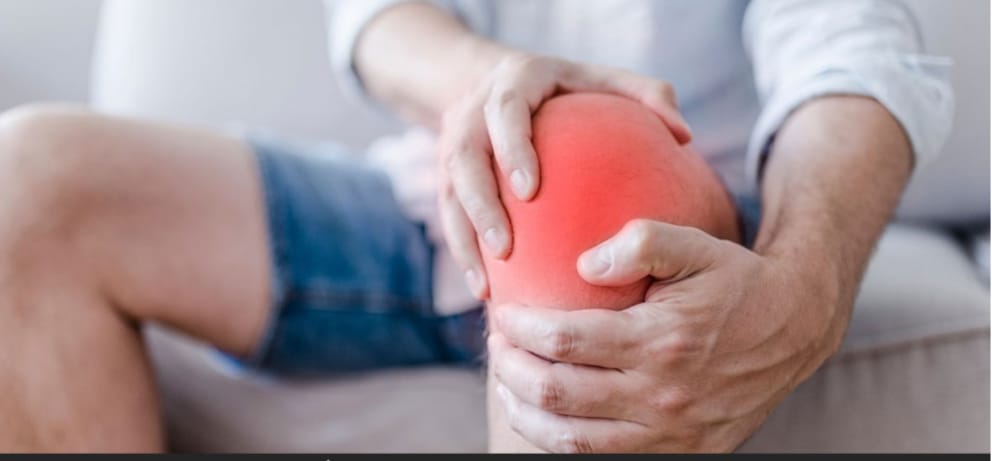
Knee osteoarthritis (OA) is one of the most common causes of chronic pain in adults over 50. The good news: surgery is rarely the first option.
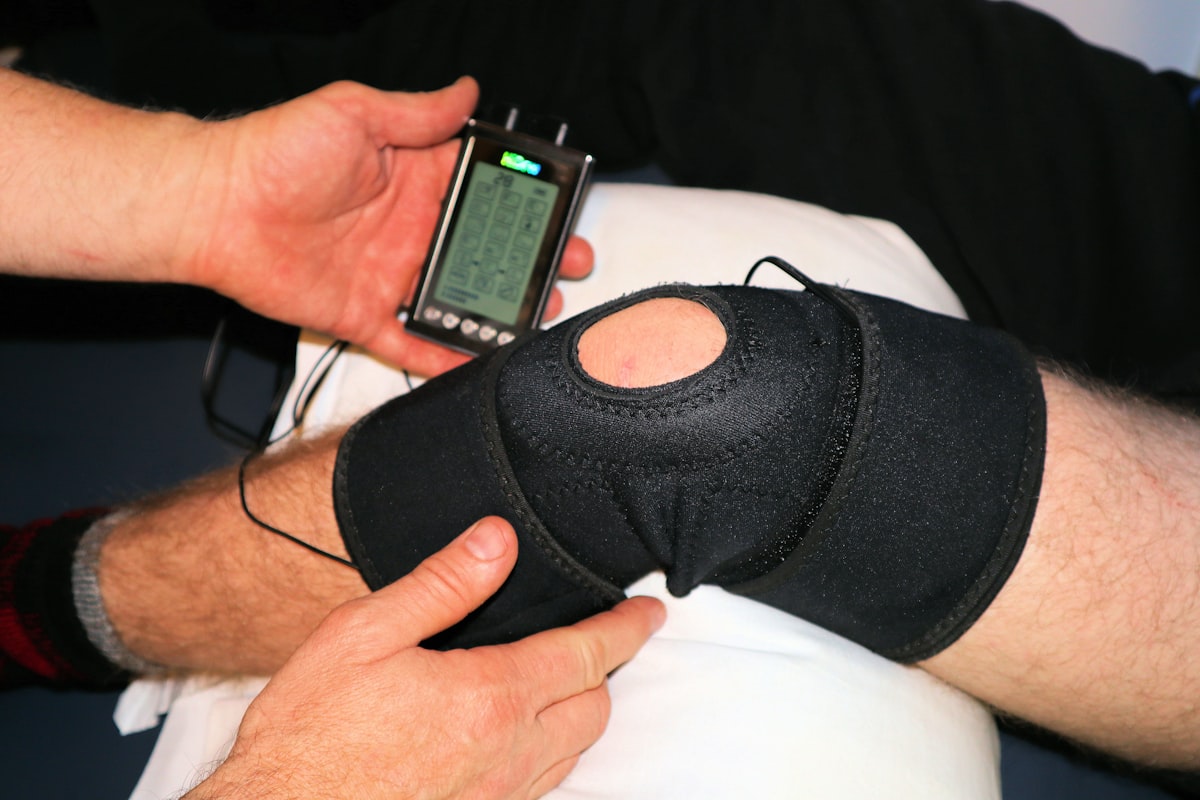
What's actually happening
Cartilage that cushions the joint slowly wears down. Over time this leads to friction, swelling, and stiffness — especially after long periods of inactivity, climbing stairs, or sitting cross-legged.Step-wise non-surgical care
- Activity modification + weight management — every kilogram lost takes ~4 kg of pressure off the knee.
- Quadriceps and glute strengthening — supervised physiotherapy beats home YouTube routines because form matters.
- Intra-articular injections — hyaluronic acid for lubrication, PRP for tissue healing, corticosteroid for acute flares.
- Regenerative options — platelet-rich plasma (PRP) and, in select cases, stem cell therapy.
- Ultrasound-guided procedures — for accuracy and safety.

Came here from your YouTube channel. Clear and useful as always.